Bespoke vs. Template: How One Beauty Brand Scaled with Bespoke Design
For years, the “good enough” website was a $50 theme from a template library. But in 2026, “sitting there” is a strategy for invisibility.
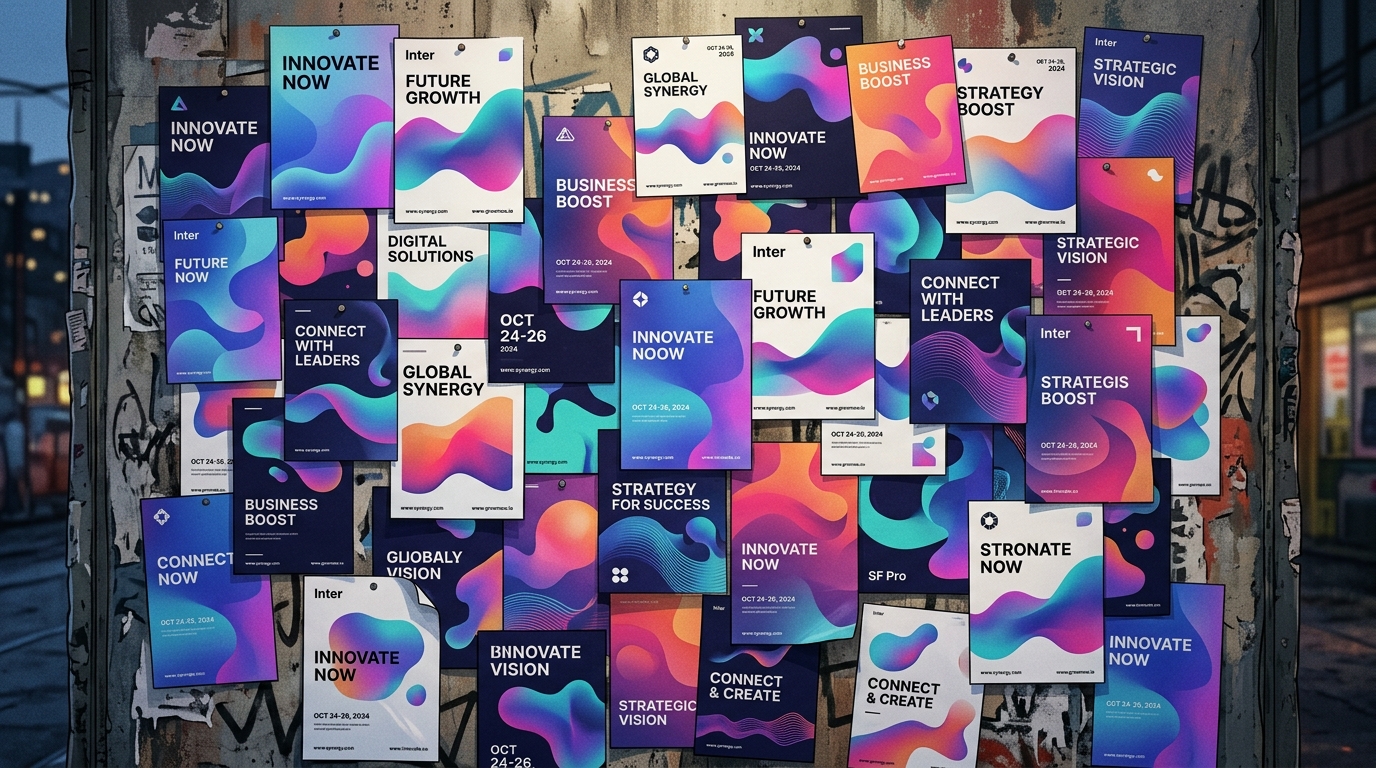
Take, for example, a client who came to WDA after struggling with her online beauty brand. She had launched on a popular, template-driven platform, thinking it was the fastest way to get started. On the surface, the site looked “fine.” But beneath the surface, she was trapped. When we analyzed her original store, the bespoke vs. template struggle was obvious; the template was built for speed of setup, not for speed of sales.
Every time she wanted to tweak her store’s UI to highlight a new product line or streamline the checkout process, the platform pushed back. The code was too rigid, the templates were too brittle, and the “customization” options were non-existent. Because she couldn’t optimize her user experience, her bounce rate was high and her sales were non-existent. She wasn’t just fighting for customers; she was fighting her own website.
WDA stepped in to break the mold. We scrapped the rigid template and built a bespoke e-commerce experience from the ground up. We didn’t just give her a “pretty” site; we gave her a high-performance engine. We added custom functionalities—like a tailored product filtering system and a lightning-fast “one-tap” checkout—that simply aren’t possible on off-the-shelf themes.
The result? Her store stopped being a digital brochure and started being a sales machine. Today, she isn’t just “online”—she’s generating consistent, scalable sales every single day because her website finally works as hard as she does.
Why Templates are “Invisible” to Modern AI
The “Div Soup” Problem: Templates use generic containers that make it hard for AI to tell what is a “Service,” what is a “Testimonial,” and what is just a decorative element.
The Speed Penalty: AI models prefer sites that are “crawled and processed” in milliseconds. A template loading 40 unused plugins is a signal of low quality.
Rigid Information Architecture: You are forced to fit your expertise into a pre-made box. If your expertise doesn’t fit the box, the AI never sees it.
How WDA Builds for “Generative Engine Optimization” (GEO)
When we build a custom site, we aren’t just designing for human eyes; we are designing for Machine Understanding.
Custom Schema.org Integration: We don’t just use “standard” SEO. We map your specific business wins directly into the code so bots can cite your “Success Stories” as factual data.
Zero-Bloat Performance: By stripping away the template “junk,” your content reaches the user (and the bot) 3x faster.
Experience-Led Content: Unlike Rebel Growth’s generic articles, our custom structures highlight your actual project results, providing the “Experience” that Google’s E-E-A-T algorithm demands.
The Verdict: Investment vs. Expense
A template is an expense; it costs you visibility every day it’s online. A bespoke WDA build is an asset—it’s an authority engine that talks back to the AI world.
Fact: Bespoke sites have 0% “Theme Bloat,” reducing load times by up to 3 seconds.
Fact: Custom builds allow for “Semantic HTML,” which tells AI exactly what your business does.
Final Thoughts
Stop Blending In. Start Leading. In a world of digital clones, the biggest competitive advantage is being original. At WDA, we don’t just “design websites”—we build authorities.
Book a Strategy Call with WDA. Let’s discuss how we can build a unique, sales-focused engine for your brand.